
Universities feel like secret clubs sometimes. As soon as you enter a campus, the language of those around you is changing, people talk about topics you can be unfamiliar with, they dress a certain way. It is an environment that evaluates your ideas, what you say or write. Universities have their own culture and if you are the first to study in your family, you might not fit into it effortlessly.
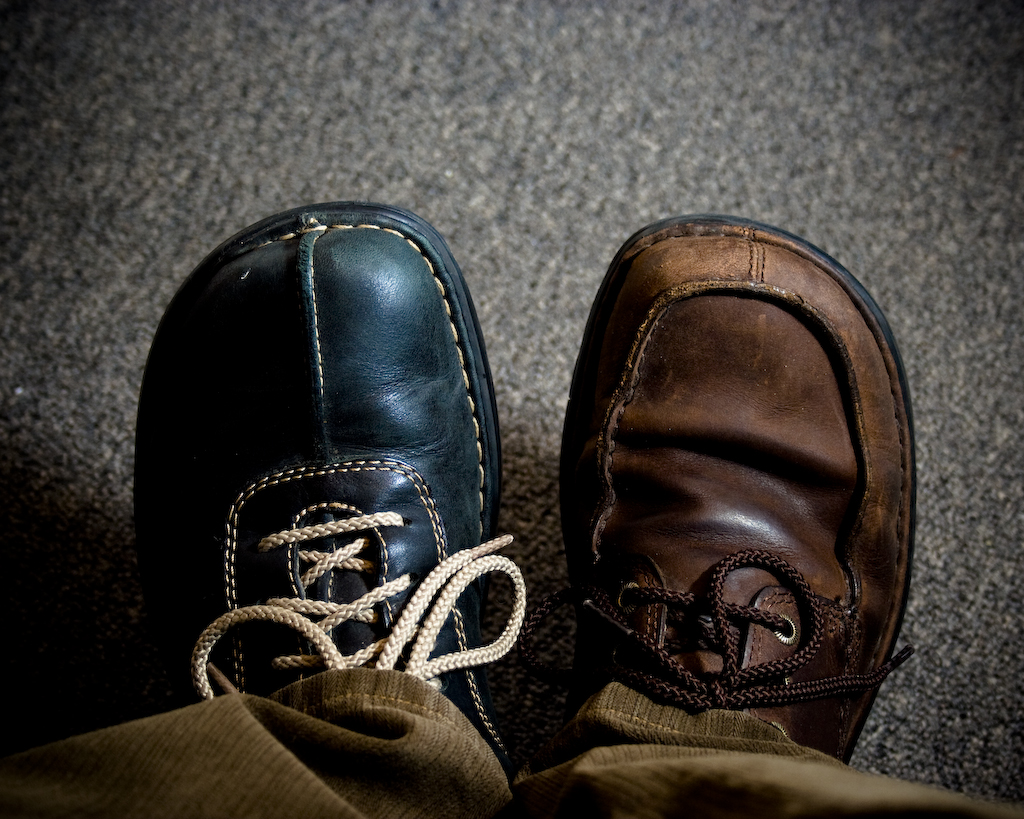
For me it often felt strange that I could walk on campus visiting lectures, while failing to feel like I belong to this secret club. My language didn’t match and I struggled joining conversations with other students because I was afraid of embarrassing myself. What if they realize that I knew less? What if my language didn’t match? Will they look down on me? Of course, this was mostly in my head and they might have reacted to me positively after all. What mattered to me though: I anticipated those reactions and my anticipation shaped my behavior during early studies.
I didn’t know back then but looking back now, it is clear to me that I experienced a cultural mismatch and the feelings of anxiety and uncertainty coming with it. You might think that FirstGen students are mostly defined by them having to work alongside their studies. While this is mostly true and a large part of their challenges, it doesn’t cover the full picture. An American research team has looked deeper into social class diversity in American higher education. They elaborate on the fact that universities’ culture is shaped by the social class of their students.
They state that the majority of students come from families that experienced academic culture. One or even both of their parents have studied before and, by that, shaped the family environment. Academic culture emphasizes independence, self-importance and individual entitlement, which in turn defines university culture. But what about students that do not come from academic families?
According to the research team, FirstGen students experience a cultural mismatch at university. Their cultural norms are influenced by working-class contexts. Lack of safety nets, uncertainty, environmental constraints create a strong sense of interdependence, the ability to rely on each other. FirstGen students learned early on to know their place in the social hierarchy and act in accordance to the needs and expectations of the community. There is rarely any space for cultural norms valued in university environments. Independence might be seen as estrangement from community, self-importance as ignorance towards one’s place in the social hierarchy, individual entitlement as narcissistic.
FirstGen students are challenged to be part of the secret club of academia. Their cultural norms mismatch with the majority of students who shape the way university feels and what it mandates from everyone within it. The researchers describe it as an “unseen academic disadvantage” that “fuels the social class gap” in higher education. The good news is though, that this gap can be addressed by universities actively challenging the roots of their culture. The recognition of FirstGen cultural backgrounds can have a positive impact on making the environment welcoming and encouraging for all students.
But that alone is not the reason for this logbook text. Yes, feeling like you don’t belong at university can have a large impact on how well you do during your studies. It can be difficult and exhausting to develop the language and knowledge needed to be part that culture. And yes, universities still have a long way to go to make higher education accessible for FirstGen students. But now imagine the reverse: How does it feel to slowly take over the university culture and, in return, mismatch with the cultural norms of your family and the community you come from?
For me, this was the most defining conflict point of “being part” of the secret club while not really “belonging” to it. After I slowly but never fully adapted to university culture, my family didn’t recognized me less and less. Using academic language (at least the broken version I was able to adapt), showcasing strong academic convictions and independence were seen as a cultural mismatch at home.
Other FirstGen students might have even felt a sense of family or community betrayal at some point during their studies. You find yourself in this absurd position to not belong in either cultural environment anymore. The university does not accept you fully because of your non-academic roots and your family struggles with the fact of you slowly becoming “someone else”.
And for me, this feeling is at the core of being a FirstGen student. The mismatch will always be there and it is on us to find our place in it. If you think about it, exactly this ability is the secret superpower of FirstGen students even after finishing their studies. Because of these experiences, we are aware of social class gaps and how it feels to be caught in between them. And this creates empathy, which we should use as much as possible to make higher education more accessible for all
Text references:
Stephens, Fryberg, Markus, Johnson, Covarrubias: Unseen disadvantage: how American universities’ focus on independence undermines the academic performance of first-generation college students. J Pers Soc Psychol, 2012.
Image references:
Kelly Bailey https://openverse.org/image/2c3e6585-8e0e-47b6-b314-3f80792b54b9?p=2


 Project FirstGen Philippines
Leave a comment